Current AI Already Capable of Weeks of Human Work
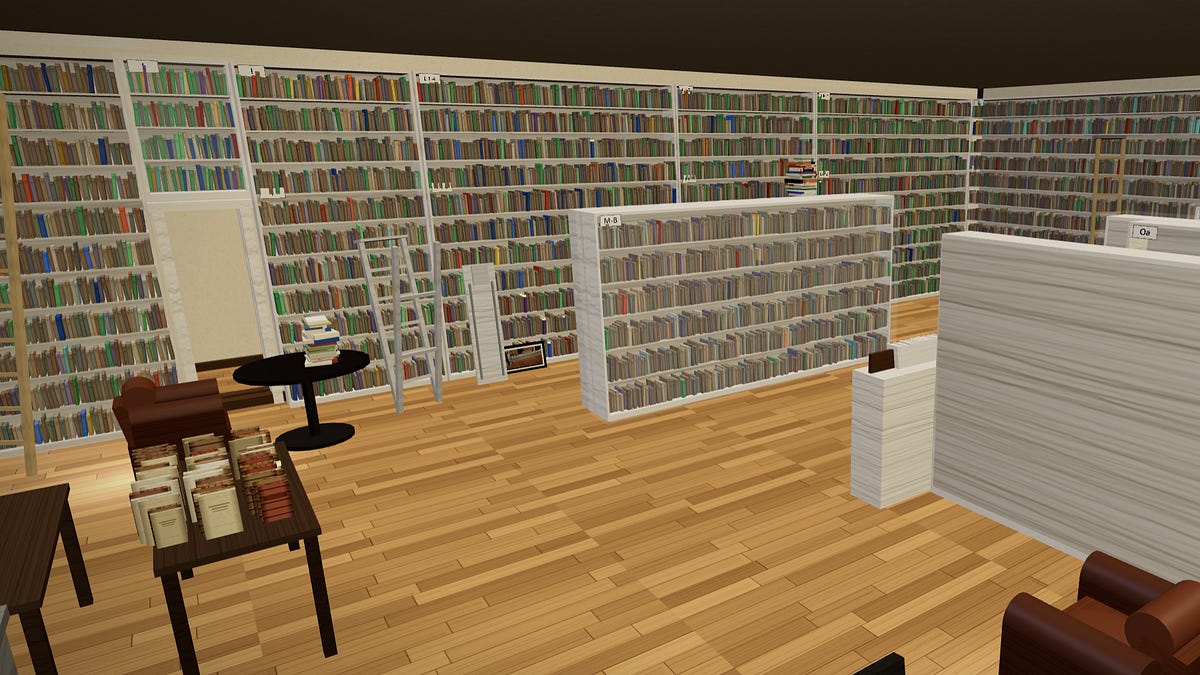
GPT-6 Astra and Fable 5.1 can reliably complete weeks of human work when guided.
The capability overhang is here. Writing in Oneusefulthing, Ethan Mollick states GPT-6 Astra and Fable 5.1 can reliably complete weeks of human work when properly guided. That claim is not a forecast. It describes the current models.
The argument shifts the frame. Most AI risk discussion targets future systems. Mollick points at the gap between what current models can do and what organizations have actually deployed. Human institutions move slowly. The models do not. That mismatch is the overhang.
As a demonstration, Mollick used GPT-6 Astra to convert the 1977 text adventure Zork into a full 3D action-adventure game, requiring the model to exercise design judgment the original source never specified. The capability was not the story. The judgment was. Watch for operators who close the deployment gap first. They take the margin.
Analysis
Capability is no longer the scarce input. Deployment and judgment are. Who closes that gap first owns the outcome.
Research this with your AI
Copy the research prompt into your AI assistant to see how this story affects you.
Show the prompt
I just read this AI news story and want to understand it in my own context.

Title: Current AI Already Capable of Weeks of Human Work
Summary: Ethan Mollick argues GPT-6 Astra and Fable 5.1 are already capable of transformative economic impact. Human systems, not model capability, are now the binding constraint.
Category: Industry
Source: Oneusefulthing, https://www.oneusefulthing.org/p/the-overhang

Using my own history and context, help me understand:
1. What is the core development and why does it matter?
2. Who are the major players involved and what are their motivations?
3. How does this fit into the broader AI landscape right now?
4. How does this apply to my own work, and what should I do or watch next?

Be specific and plain spoken.
Newsletter
The day's AI stories, with the editor's take, in one email.
Free. Unsubscribe in one click.